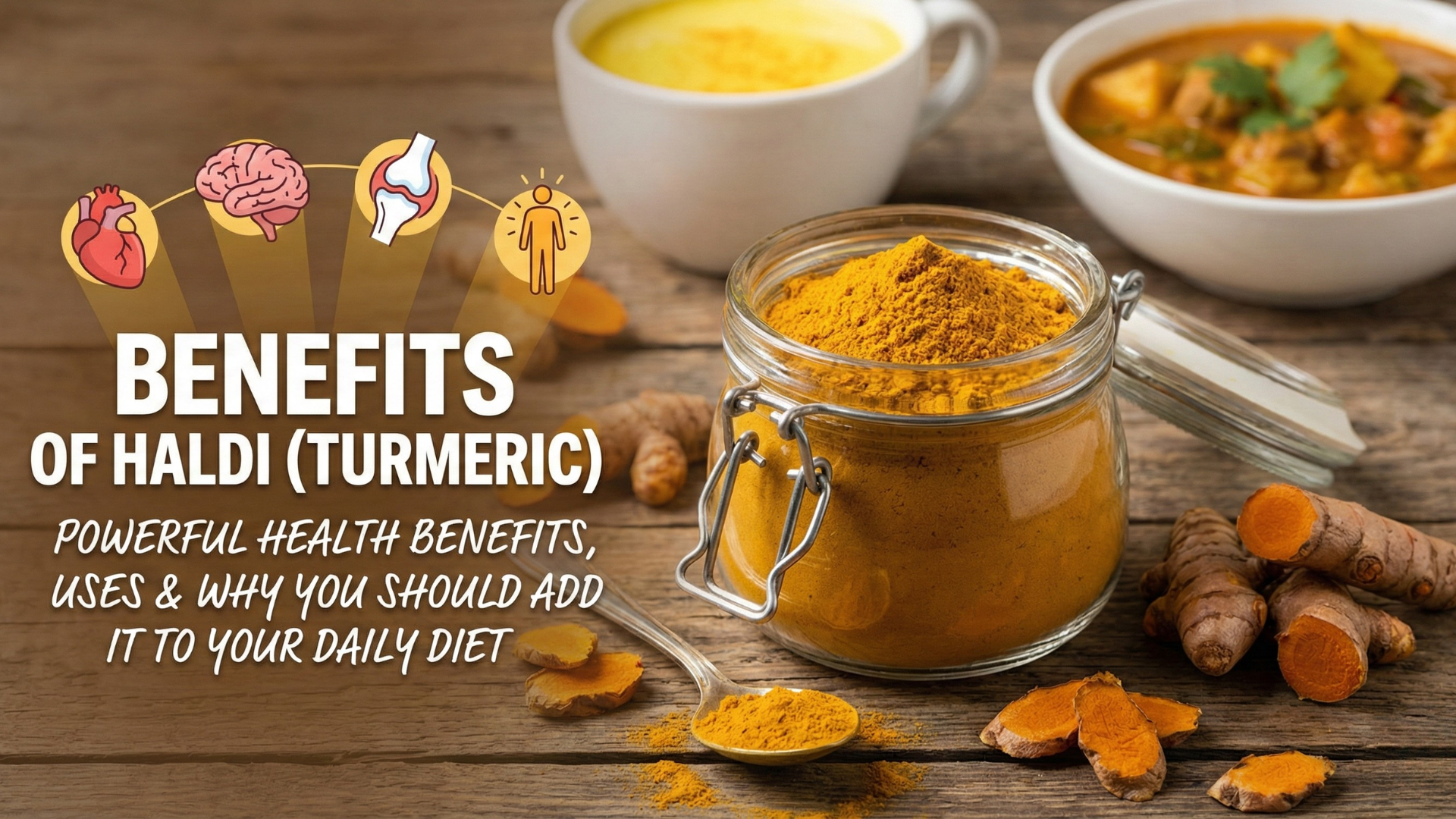
Haldi, also known as turmeric, is one of the most powerful and widely used spices in Indian households. Scientifically known as Curcuma longa, haldi has been used for centuries in cooking, skincare, and traditional medicine. From boosting immunity to improving digestion, this golden spice offers incredible health benefits backed by both tradition and modern science.
In this blog, we’ll explore the benefits of haldi, its nutritional value, medicinal properties, and how you can include it in your daily routine.
What is Haldi (Turmeric)?
Curcuma longa is a flowering plant from the ginger family. The bright yellow spice we call turmeric is made from its dried root. The key active compound in haldi is curcumin, which is responsible for most of its medicinal properties.
Haldi is deeply rooted in Indian Ayurveda and traditional healing systems and is also gaining global popularity as a natural superfood.
Top Health Benefits of Haldi
1. Powerful Anti-Inflammatory Properties
Chronic inflammation is linked to many diseases such as arthritis, heart disease, and diabetes. Curcumin in haldi helps reduce inflammation naturally, making it beneficial for people suffering from joint pain and inflammatory conditions.
2. Boosts Immunity
Haldi is widely used in Indian homes during seasonal changes. Drinking haldi milk (golden milk) can strengthen the immune system and help fight infections, colds, and flu.
3. Rich in Antioxidants
Curcumin is a strong antioxidant that helps neutralize harmful free radicals. This reduces oxidative stress and may slow down aging and prevent chronic diseases.
4. Supports Digestive Health
Haldi stimulates bile production, helping improve digestion and reduce bloating. It is often used as a natural remedy for indigestion and stomach discomfort.
5. Improves Skin Health
Haldi is widely used in face packs and skincare remedies. It helps:
- Reduce acne and pimples
- Improve skin glow
- Reduce pigmentation
- Heal minor wounds
Its antibacterial and anti-inflammatory properties make it excellent for natural skincare.
6. May Support Heart Health
Studies suggest that curcumin improves endothelial function (the lining of blood vessels), which plays a key role in heart health. Regular use of haldi may contribute to better cardiovascular function.
7. Helps in Managing Blood Sugar Levels
Haldi may improve insulin sensitivity and help regulate blood sugar levels, making it beneficial for people managing diabetes (under medical guidance).
8. Supports Brain Function
Curcumin may increase levels of Brain-Derived Neurotrophic Factor (BDNF), which supports brain health and may reduce the risk of neurodegenerative diseases.
Nutritional Value of Haldi
Haldi contains:
- Curcumin
- Iron
- Potassium
- Vitamin C
- Fiber
- Essential oils
Even small amounts added to daily food can provide significant health benefits.
How to Use Haldi Daily
Here are simple ways to include haldi in your routine:
- Add to curries and sabjis
- Mix in warm milk (haldi doodh)
- Add to herbal tea
- Sprinkle in soups
- Use in smoothies
- Apply as face pack (with besan or yogurt)
For better absorption, combine haldi with black pepper, as piperine enhances curcumin absorption.
Precautions While Using Haldi
- Consume in moderate amounts.
- High doses may cause stomach discomfort.
- Pregnant women and people on blood thinners should consult a doctor before high intake.
Why Choose High-Quality Haldi Powder?
To get maximum benefits, choose haldi with:
- High curcumin content
- No added colors
- No preservatives
- Fresh aroma and bright golden color
Pure and unadulterated haldi ensures better health benefits.
Conclusion
Haldi is more than just a kitchen spice — it’s a natural healer. From boosting immunity and improving digestion to enhancing skin and heart health, the benefits of haldi are truly remarkable.
Adding high-quality haldi to your daily diet is a simple and effective step toward a healthier lifestyle.